There's no magic number, but there is a useful rule of thumb: when the cost of a repair climbs past roughly a third of what a replacement would cost — and the equipment is near the end of its expected life — replacement usually wins. Below that, a quality repair is almost always the smarter spend.
The trap is treating every quote in isolation. A $400 fix sounds fine until it's the third $400 fix this year on a system that owes you nothing. Look at the pattern, not just the invoice in front of you.
Four questions to ask
Before you decide, run the situation through four quick questions: How old is it? How much is this repair? How reliable has it been lately? And how much is it costing you to run every month?
Old and unreliable with a big repair bill → lean toward replacing.
Newer, first real failure, reasonable cost → repair it.
High monthly running cost → a modern replacement may pay for itself.
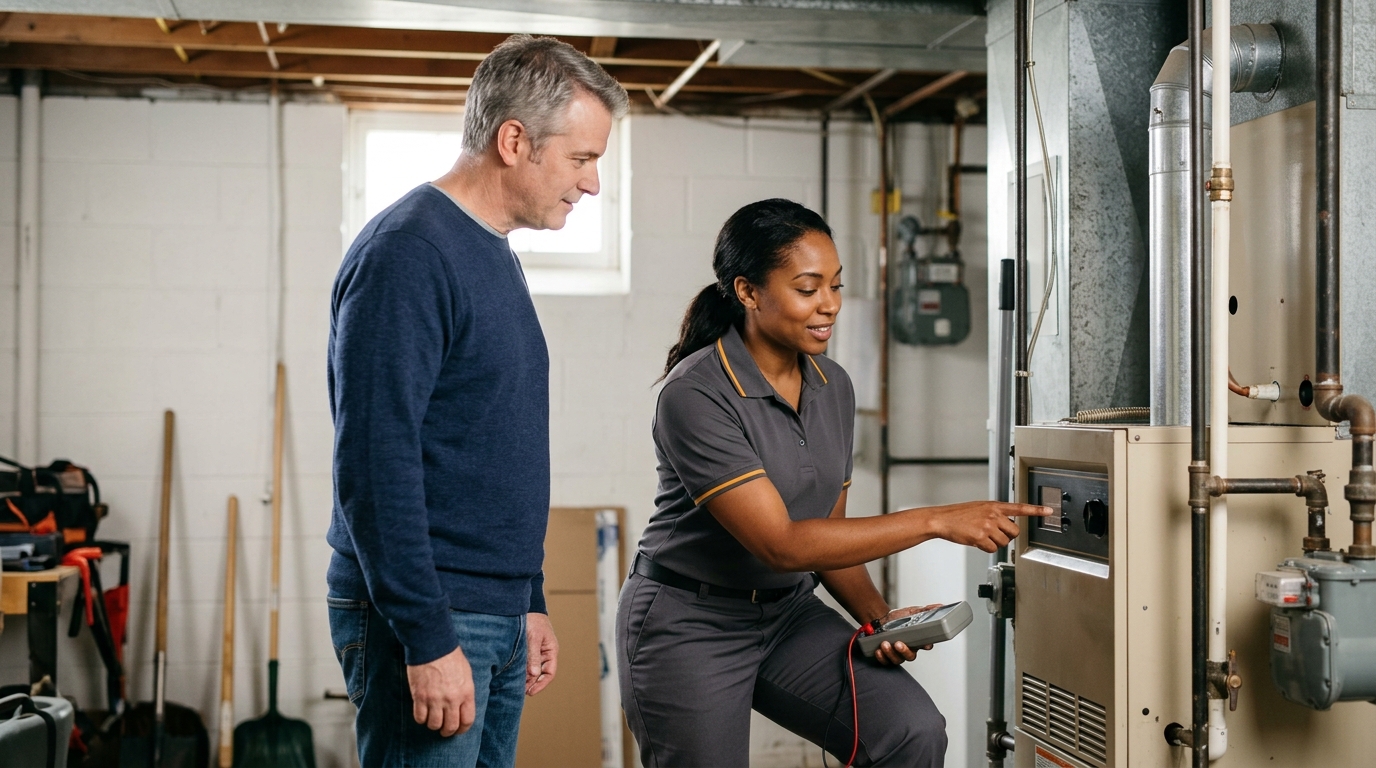
A good technician will walk you through these openly instead of defaulting to the most expensive option.
When to get a second opinion
If you've been told you need a full replacement and something feels off, get a second opinion — a reputable company will give you one for free. The goal is a decision you understand, not a decision made under pressure.